ACL 2026: The Complete Preview
Two weekends. Eight stages. A quarter-million people. The biggest music event in Texas every year is back — here's the lineup, the layout, and how to actually do it.
Austin City Limits is the biggest music event in Texas every year, and one of the most important festivals in the country period. The festival takes over Zilker Park for two weekends in early October — six days of music across eight stages, a quarter-million attendees total across both weekends, and a lineup that's run from Paul Simon to Tyler, The Creator to Kendrick Lamar without losing its identity along the way. The 2026 edition is the festival's twenty-fourth year, and based on the lineup C3 Presents announced earlier this month, it might be one of the strongest of the recent run.
What ACL actually is
ACL was launched in 2002 by C3 Presents, an Austin-based promotion company that has since become one of the largest concert promoters in the world. The festival shares a name with the long-running Austin City Limits television show — the PBS music program that's been broadcasting from Austin since 1974 — but the festival and the show are now separately operated, with the festival functioning as the larger-scale commercial sibling to the show's smaller, more focused taping format.
The festival runs across both weekends of early October every year — this year, October 2-4 and October 9-11. The same lineup plays both weekends, with a handful of artist-specific exceptions. Weekend One sells out faster and gets the bigger press cycle. Weekend Two has better crowd density, shorter food lines, and slightly cooler weather. If you have the flexibility, Weekend Two is the better experience.
The 2026 lineup
The 2026 headliners have not been universally well-received — the social media reception was the usual mix of complaints about repeat bookings and complaints about not enough rap, country, or whatever the complainer's preferred genre is. That's how festival announcements work. The bill is deeper than the headliner conversation suggests, and the mid-card programming this year is unusually strong. (We have a separate piece on the Texas acts buried in the under-card — worth reading if you're planning your schedule.)
Genre-wise, the festival continues its slow shift toward broader programming. The 2022-2024 lineups leaned heavier on hip-hop than the festival's first decade did, and the 2026 edition continues that trend without abandoning the indie rock and singer-songwriter identity the festival was originally known for. The Latin programming has gotten genuinely strong over the last three years, and the country and Americana stages are doing some of the festival's most interesting booking — even relative to Austin's broader music identity.
What to expect on the ground
Eight stages, all running in parallel, all weekend long. The flagship stages — the American Express stage at the south end of the field, the Honda stage at the north end — host the biggest acts. The mid-tier stages host the mid-card. The smaller stages, especially the Tito's Stage and the BMI Stage, are where the festival's discovery moments happen.
Set times are aggressive. There's almost always a conflict between two acts you want to see, and the festival's geography means moving between stages takes ten to fifteen minutes if the crowds are heavy. Plan the day, accept that you'll miss things, and stay flexible.
Tips for attending
The basics: hydrate, eat enough food, wear sunscreen, and accept that Austin weather in early October is unpredictable. Some years are 95 degrees. Some years are 65 and pouring. Dress in layers.
Get to Zilker before noon. The line at the gates after 1 PM is significantly worse than the early-morning line, and the mid-afternoon discovery acts are some of the festival's best programming. The early hours are also when the food trucks are at their best — by 8 PM the lines are 45 minutes, and the most popular vendors are often sold out.
Cash bars are gone — the festival is fully cashless. Bring sealed water, but accept that you'll be refilling at the free water stations all day. Sunscreen and a hat will save your weekend. A small backpack that meets the festival's size restrictions (check the website for current rules) is worth the effort.
The transportation situation is the trickiest part. Parking around Zilker is impossible. The festival offers shuttle service from satellite lots, the city has occasionally run a temporary rail line for the event, and ride-share gets brutal at peak hours. The smartest move is to stay downtown, take the festival shuttle in, and walk back across the bridge after closeout.
Why ACL still matters
In a year when festivals across the country are folding, downsizing, or pivoting to electronic-music-only formats, ACL's continued scale and curatorial range stands out. The festival has stayed financially viable, programmed both legacy and emerging acts, and never compromised on its Austin identity even as the city's gotten bigger and the festival's gotten more national. C3's operational discipline is part of that. The city's investment in Zilker Park and the surrounding infrastructure is part of it. The festival's audience — generally a slightly older, more committed concert-going crowd than the EDM-heavy peer festivals — is the rest.
ACL is the biggest music event in Texas. It's also one of the biggest in the country. Six days, two weekends, 250,000 people. The city of Austin doesn't really pause for it — it just absorbs it. That's the trick.
Full lineup and set times at aclfestival.com. Weekend One: October 2-4. Weekend Two: October 9-11. We'll have full on-the-ground coverage from both weekends — daily wrap-ups, photo coverage, and post-festival recaps.
Related
All articles →ACL 2026 Preview: The Texas Acts Worth Showing Up Early For
Six homegrown artists buried in the undercard who could steal the festival before the headliners hit the stage.
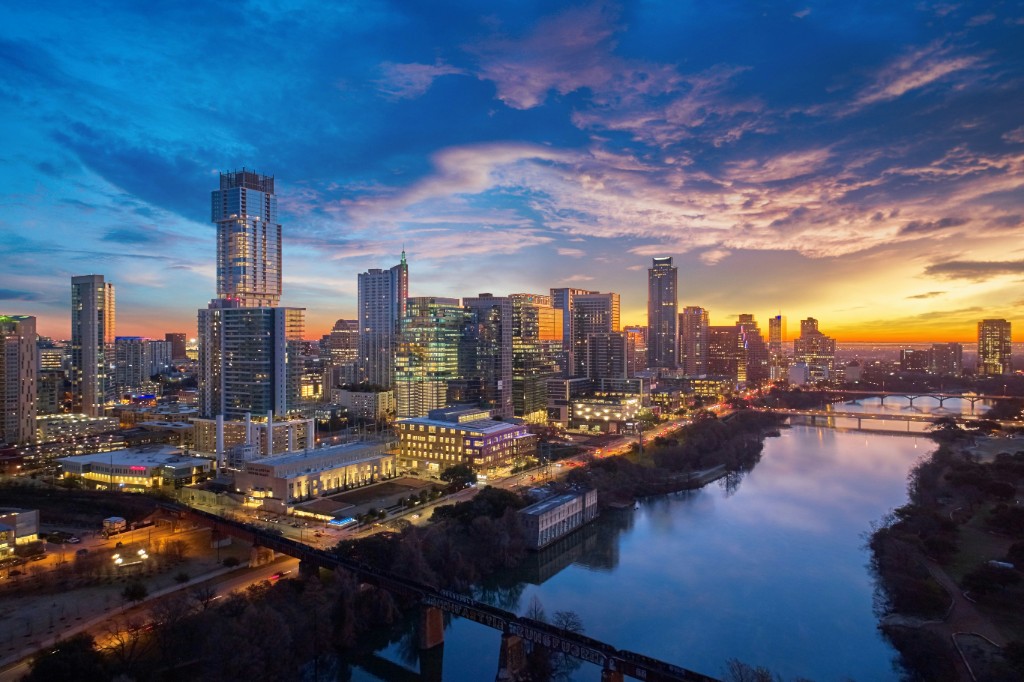
Austin Venues: Every Room Worth Knowing
From Red River clubs to the Moody Center — capacity, genre, and live listings across the Live Music Capital.
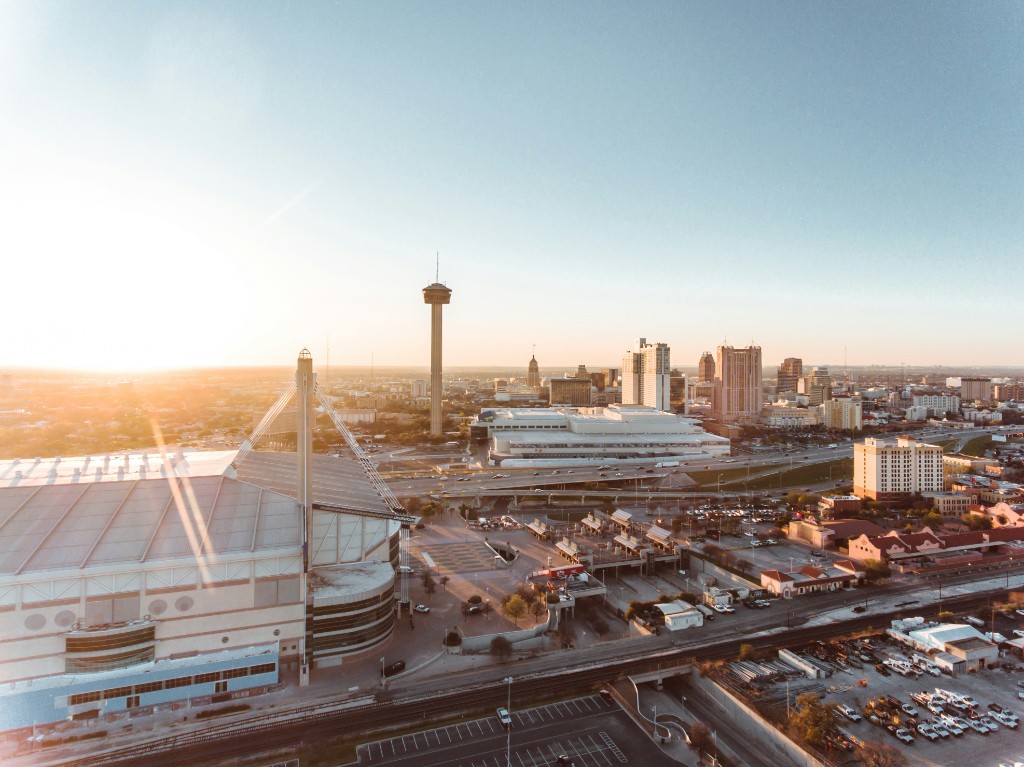
San Antonio Venues: Every Room Worth Knowing
From the Alamodome to the Saint Mary's strip — capacity, genre, and what's coming up at each room.